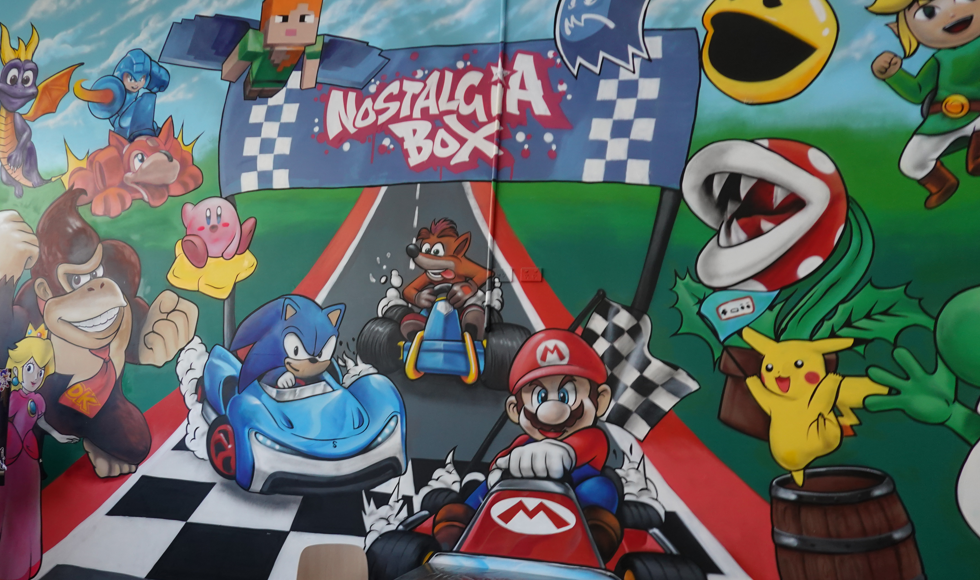
On a recent trip to Perth Australia, I finally checked off a little something on my bucket list. A visit to the first interactive video game console museum in Australia – Nostalgia Box. This homely video game museum tucked away in City West, just opposite the Scitech museum, is a peek into the past of video game lore. I’d heard about it, but never had a chance to visit it. I was a little deterred about the advice on their website that you need to make a prior appointment, but truth be told you can just walk in.
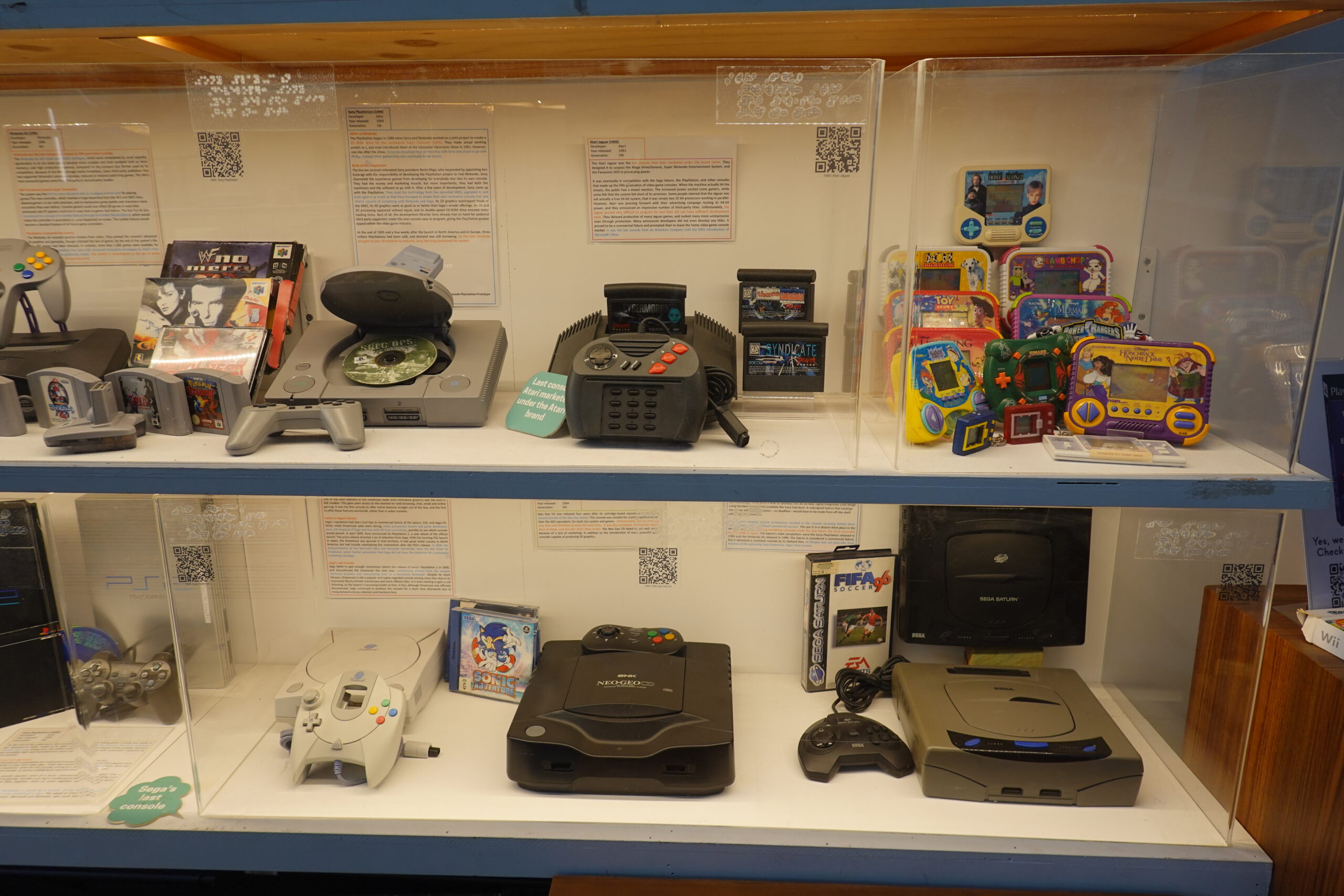
The museum is split into two sections. To the right is an exhibition of consoles of all shapes and sizes that I’d only heard about. From the very first console that Nintendo launched, to an Atari 2600 like the one I owned, Casio and Game Boy handhelds that take you back to the late 80’s and more recent but now obsolete consoles. On the left dominating the main area is a play zone where you can try out different consoles from the very first Pong game to Nintendo classics and arcade games of Pac Man to the PlayStations of yester-year. The play area is peppered with CRT tv’s of old so that you experience these games in the way they were meant to be played. No odd ghosting caused by trying to run these on high resolution TV’s of today. At the back are modern day versions of old arcade cabinets where you try your luck with anything from Pac Man to Metal Slug and more.
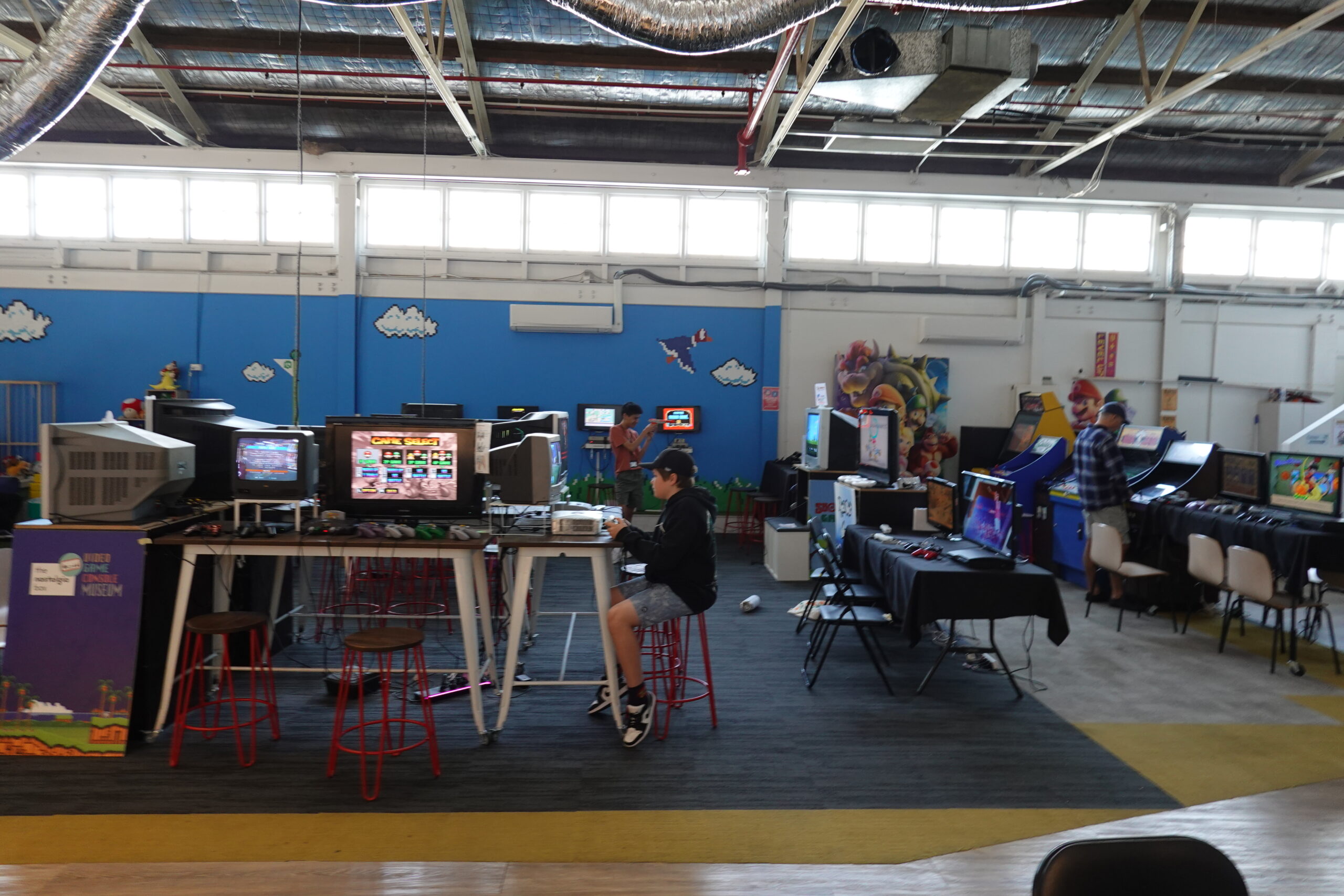
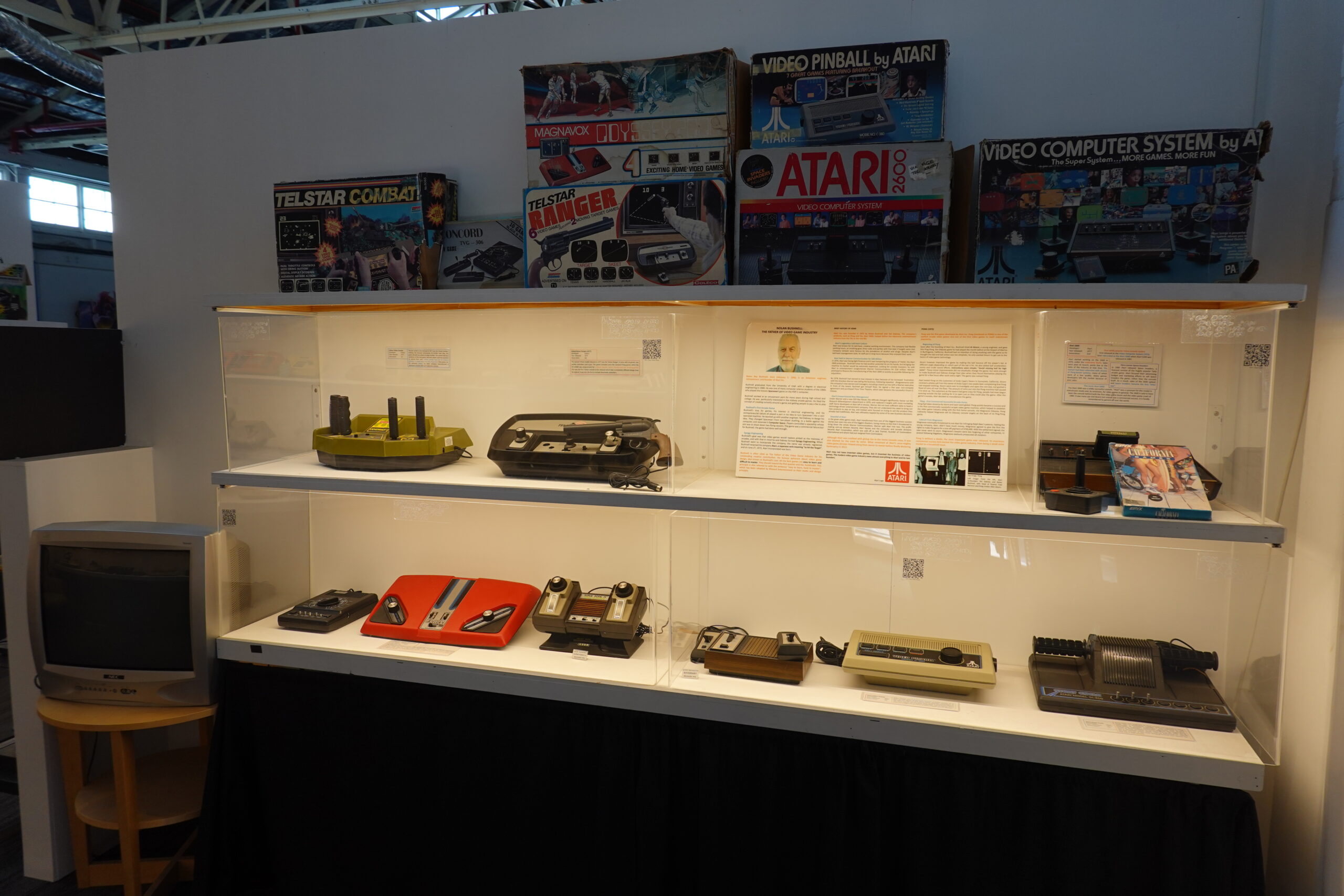
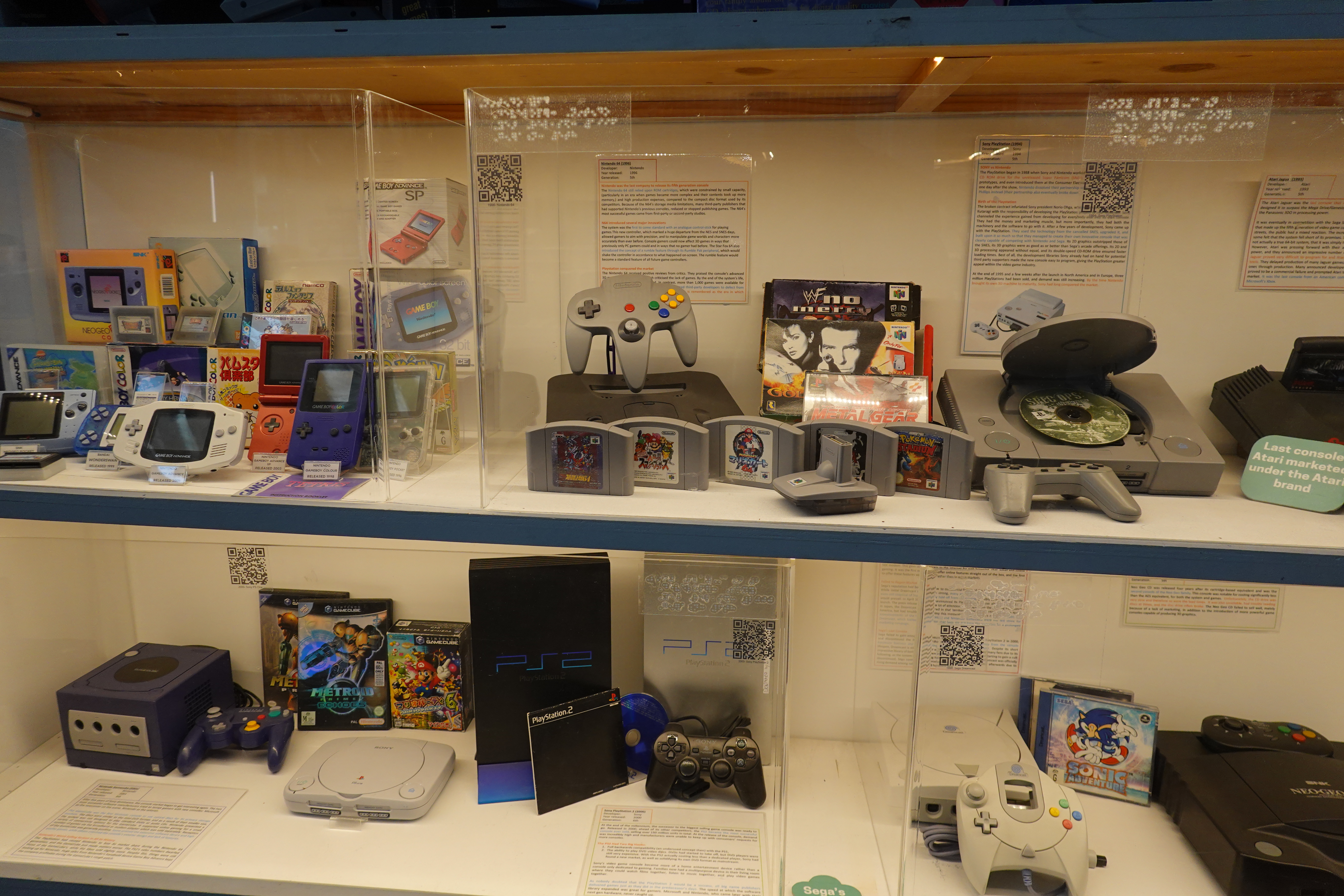
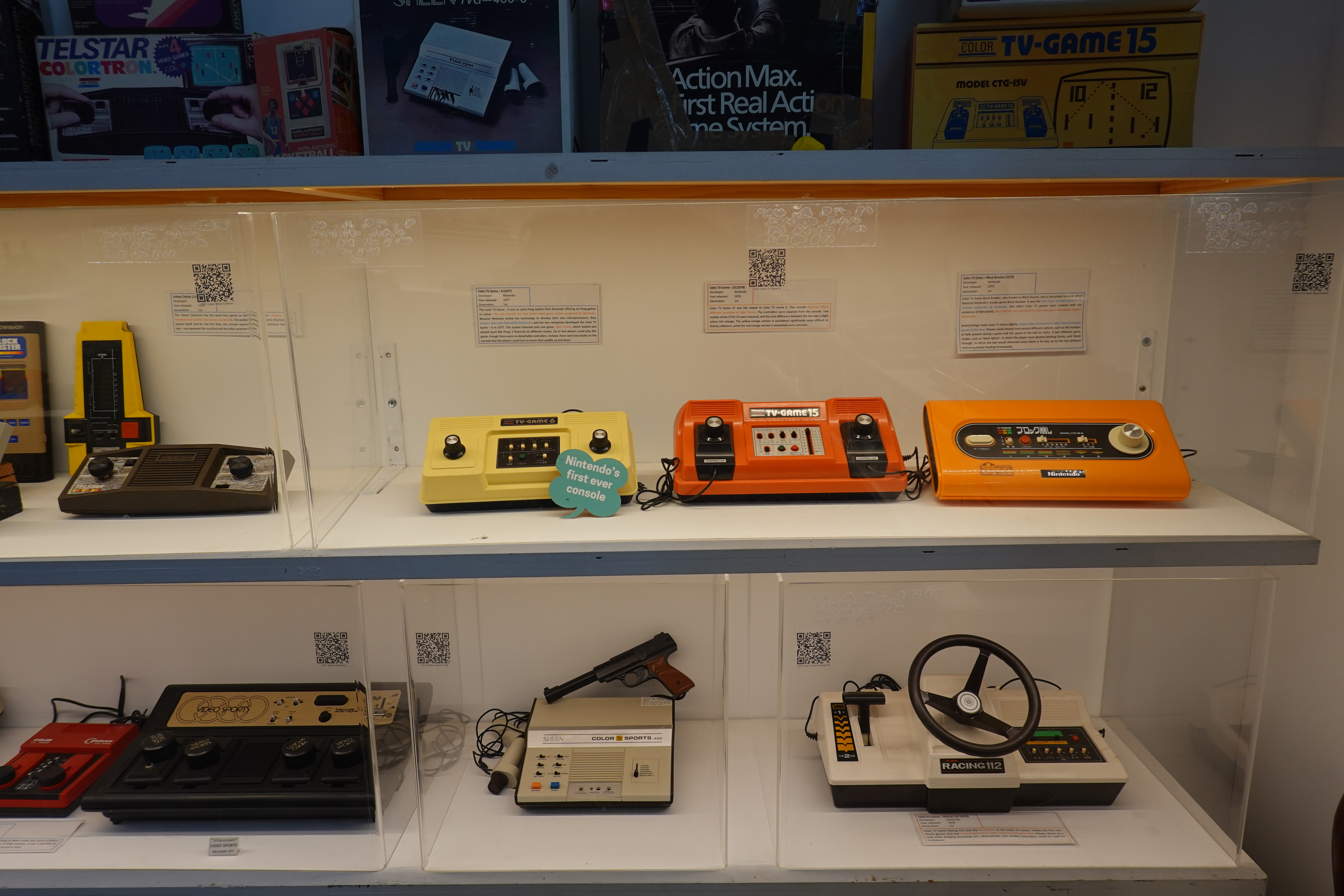
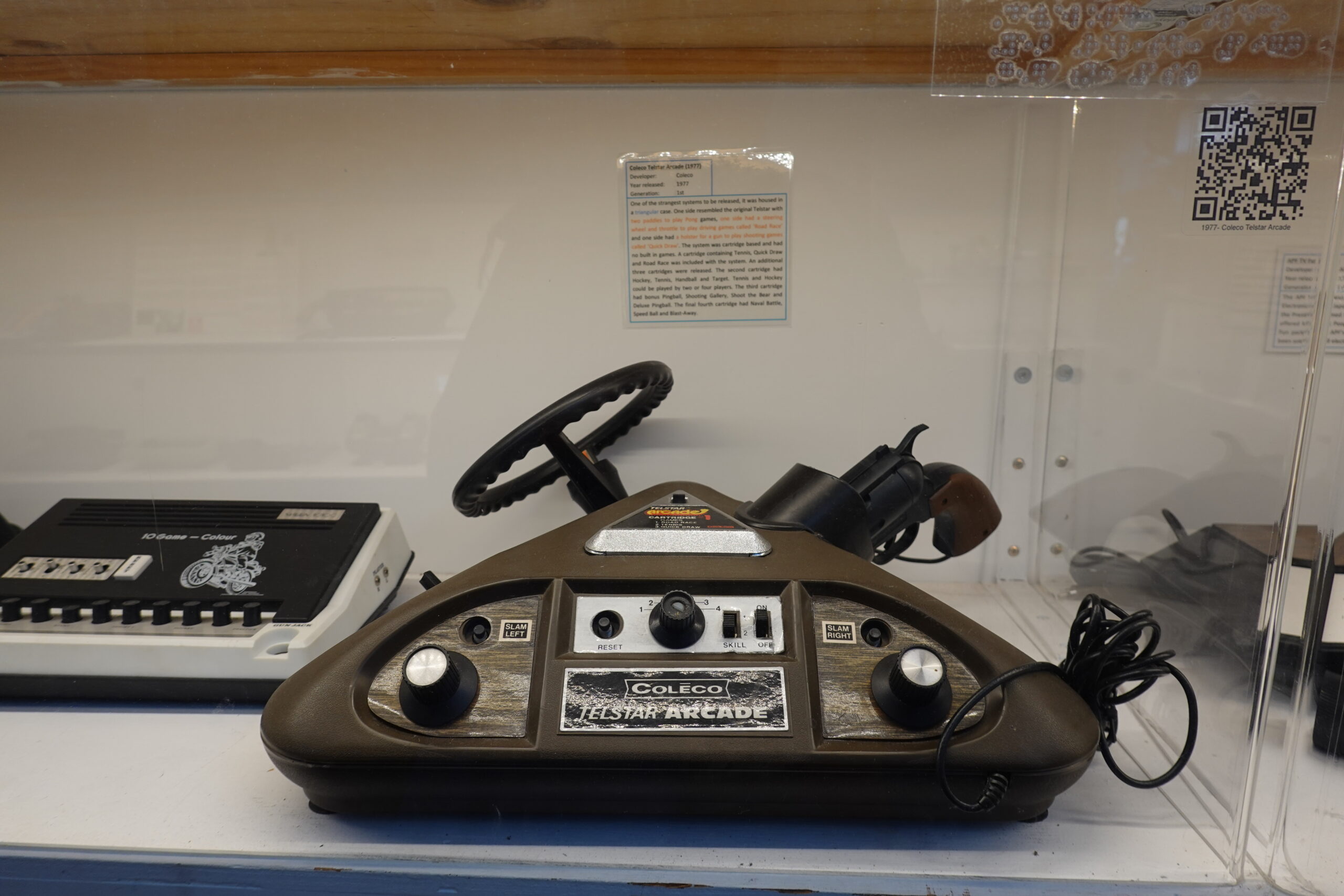
With all this variety on show, it is in fact the Pong game that I ended up spending the most time on with my nephew. It is literally the first console and gaming experience that greeted us just as we entered. Now I’ve seen pictures of Atari’s Pong, one of the first video games produced in 1972 that is a two player game that resembles Table Tennis or Ping Pong as it is otherwise known. But what you don’t realise from the countless pictures you see of the game screen, is the truly tactile nature of the game, because of how the original console is designed.
Sure I’d likely have played an evolution of the game on my Atari 2600 (or an earlier model that I owned), but the controllers were joysticks then. Playing it on the original Atari Home Pong console (which is what I think was hooked up to a CRT tv) – the stand out of feature I tell you, is definitely the two dials. Players play by rotating the dials left and right to control the up and down movement of their on screen paddle. The goal is to smash a white pixel ball across a net denoted by a single vertical line and hope your opponent misses for you to score a point. It’s really basic but entertaining even to this day. It’s the judgement of rotating the dial accurately that takes skill and makes this game truly fun and unique even to this day.
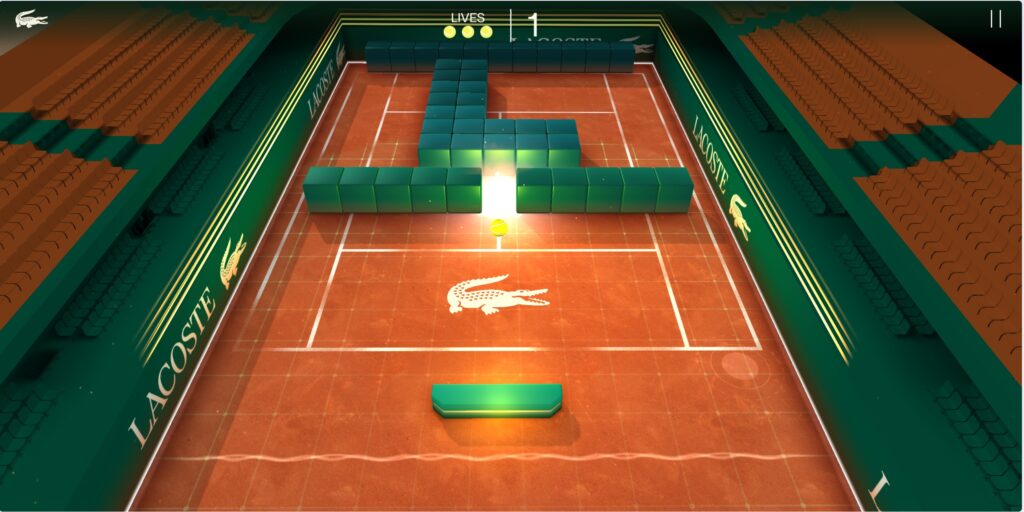
Pong has had many reincarnations of its tried and tested formula, and many single player variants. I chanced upon how the brand Lacoste has recently come out with a reimagining of the game to promote the French Open at Roland Garros. This beautifully rendered game combines elements of the original pong and adds in something borrowed out of Tetris. Blocks that need to be smashed. Add in some powerups for modern day appeal. What you have is a deceptively simple, yet engaging in-browser treat that pays homage to the original game.
You can try out the same here. https://members-play.lacoste.com/ace-breaker-rg/gb/en/
Yet for all it’s beauty and modernisation, the original Pong with its twin dial consoles definitely has an edge on every reincarnation. Maybe game developers can think of letting players customize consoles, after all there are so many dial like controllers to be had out there used for productivity. It is imaginable you could bring that same tactile experience to modern day PC gaming.